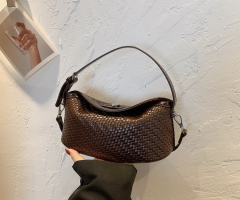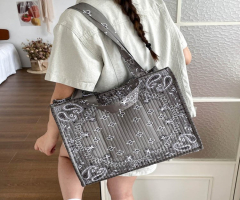
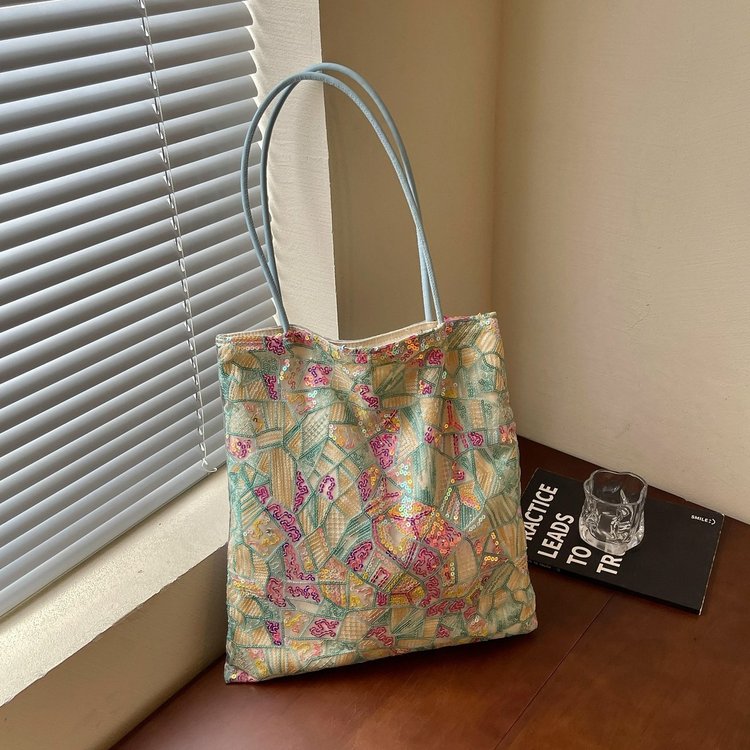
Women's handbags are more than everyday accessories. They combine functionality, personal style, convenience, and fashion, making them essential products for consumers around the world. From elegant handbags for business meetings to practical tote bags for shopping and lightweight crossbody bags for travel, different handbag styles serve different lifestyles and preferences.
The women's handbag market offers a wide variety of designs, materials, sizes, and price ranges. Understanding these differences is important for individual shoppers, fashion retailers, boutique owners, online sellers, and wholesale buyers looking for suitable products.
China is one of the major global manufacturing centers for handbags, with established production regions offering a broad selection of materials, manufacturing capabilities, and customization options.
This guide explores popular women's handbag styles, commonly used materials, product quality, fashion coordination, and important considerations when sourcing handbags from manufacturers and wholesale suppliers.
1. Popular Types of Women's Handbags
Women's handbags are available in numerous styles, each designed for particular occasions, fashion preferences, and storage requirements.
1.1 Women's Tote Bags
Tote bags are among the most practical handbag styles because of their spacious interiors and versatile designs.
Many tote bags feature two handles, a relatively wide opening, and a large main compartment. Depending on the product design, they can accommodate everyday essentials such as wallets, smartphones, cosmetics, documents, tablets, and laptops.
Tote bags are commonly used for:
Office and business activities
Shopping and daily errands
University and school
Weekend travel
Everyday commuting
Popular tote bag materials include PU leather, genuine leather, canvas, nylon, and polyester.
For customers who carry electronic devices, a tote bag with reinforced handles, a secure closure, and a padded interior compartment may offer greater convenience.
Retailers often include tote bags in their product collections because they can appeal to customers across different age groups and lifestyles.
1.2 Women's Shoulder Bags
Shoulder bags are designed to be carried over one shoulder using a medium-length or adjustable strap.
Their shapes range from structured rectangular handbags to soft, flexible designs. They are suitable for casual outings, workplace environments, shopping, and social activities.
When selecting a shoulder bag, important features include strap comfort, overall weight, zipper quality, and interior organization.
Neutral-colored shoulder bags, especially black, brown, beige, and cream designs, are versatile options for everyday fashion collections.
1.3 Women's Crossbody Bags
Crossbody bags are designed with longer straps that allow the bag to be worn diagonally across the body.
This carrying method keeps the user's hands free, making crossbody handbags popular for walking, sightseeing, shopping, and traveling.
Small and medium-sized crossbody bags generally provide enough space for essential items such as a smartphone, wallet, keys, and personal accessories.
Customers should consider several details before purchasing:
Adjustable shoulder strap length
Comfortable strap width
Strong metal attachments
Secure zipper or magnetic closures
Interior compartments
Overall weight and dimensions
For wholesale buyers, crossbody bags are a useful category to evaluate because they are available in many designs, materials, and price positions.
1.4 Women's Satchel Bags
Satchel bags typically feature structured shapes, top handles, and organized interior compartments.
Many designs include detachable shoulder straps, allowing the bag to be carried in different ways.
Their more formal appearance makes them suitable for business environments and professional outfits.
A well-designed satchel should maintain its intended shape, provide sufficient storage space, and offer convenient access to frequently used belongings.
1.5 Bucket Bags
Bucket bags feature a distinctive rounded or cylindrical shape.
They often include drawstring closures, magnetic fasteners, or internal compartments, depending on the design.
The relaxed appearance of bucket bags makes them suitable for casual clothing and everyday fashion.
They can be manufactured using PU leather, genuine leather, canvas, or other textiles, creating different price points and visual styles.
1.6 Women's Hobo Bags
Hobo bags are generally characterized by soft materials, curved shapes, and relaxed silhouettes.
They are often designed to sit comfortably against the body when carried over the shoulder.
Soft PU leather, genuine leather, and flexible fabric materials are commonly used for this category.
Hobo handbags can be particularly attractive to customers who prefer casual fashion and comfortable daily accessories.
2. Understanding Women's Handbag Materials
Material selection influences the appearance, durability, maintenance requirements, production costs, and overall positioning of a handbag.
Different materials provide different benefits, and there is no single material that is suitable for every product category.
2.1 PU Leather Handbags
Polyurethane leather, commonly called PU leather, is widely used in fashion handbags.
It is a synthetic material that can be manufactured with different surface textures, colors, thicknesses, and finishes.
PU leather can imitate various visual characteristics associated with natural leather, making it a flexible material for handbag designers.
Common advantages include:
Wide availability of colors and textures
Flexible design possibilities
Suitability for large-scale production
Different cost and quality levels
Compatibility with many handbag styles
However, PU leather quality can vary considerably.
High-quality materials may offer better flexibility, abrasion resistance, and resistance to surface deterioration than lower-grade alternatives.
Wholesale buyers should evaluate material samples rather than judging product quality from photographs alone.
2.2 Genuine Leather Handbags
Genuine leather is commonly used for premium handbag collections.
Cowhide, sheepskin, and other leather types can provide different textures, softness levels, and structural properties.
Cowhide is frequently used for structured handbags, while softer leather materials may be selected for relaxed shoulder bags.
The final characteristics of leather depend on tanning, finishing, thickness, and manufacturing methods.
Genuine leather products require appropriate care to maintain their appearance.
Buyers should avoid prolonged exposure to excessive moisture, high temperatures, and strong sunlight.
When sourcing leather handbags, retailers should confirm the leather specification rather than relying only on broad descriptions such as genuine leather.
2.3 Canvas Handbags
Canvas is commonly used for casual tote bags, shopping bags, and everyday accessories.
Its woven texture creates a relaxed appearance, making it suitable for printed graphics, embroidery, and customized brand designs.
Canvas handbags are often selected for promotional merchandise, casual collections, and reusable shopping products.
Fabric composition, weight, stitching, and handle reinforcement all influence the performance of the finished bag.
2.4 Nylon Handbags
Nylon is widely used in lightweight handbags, travel accessories, backpacks, and casual bags.
Depending on its construction, nylon fabric can offer a combination of flexibility, strength, and relatively low weight.
Some nylon handbags also receive additional treatments designed to improve water resistance.
However, the presence of nylon fabric does not automatically mean that the finished handbag is waterproof.
Zippers, seams, coatings, and overall product construction must also be considered.
2.5 Polyester Handbags
Polyester is another common textile material used in handbags and backpacks.
It is available in many colors, fabric constructions, and surface finishes.
Polyester handbags can be designed for casual fashion, travel, sports, and other everyday uses.
The quality of polyester products depends on fabric specifications, internal reinforcement, and manufacturing details.
3. How to Choose the Right Handbag Size
Handbag size is an important purchasing consideration because it affects carrying comfort, storage capacity, and overall appearance.
A handbag should have enough space for necessary belongings without becoming unnecessarily heavy or difficult to carry.
3.1 Small Handbags
Small handbags are suitable for customers who prefer carrying only essential items.
Typical contents include:
Smartphones
Small wallets
Keys
Lipstick or compact cosmetics
Other small personal accessories
Small crossbody bags, mini shoulder bags, and compact handbags are often suitable for short outings, social gatherings, and evening activities.
3.2 Medium Handbags
Medium-sized handbags provide a balance between capacity and convenience.
They are suitable for everyday commuting, shopping, and general daily activities.
Many medium handbags provide space for a wallet, smartphone, cosmetics pouch, sunglasses, and other personal belongings.
For customers purchasing one handbag for multiple occasions, a medium-sized design can be a practical choice.
3.3 Large Handbags
Large handbags are designed for customers who need additional storage.
They are commonly used for business, travel, university, and shopping.
Larger tote bags may accommodate laptops, notebooks, clothing accessories, and other daily necessities.
When evaluating large handbags, customers should consider the strength of the handles, the construction of the bottom panel, and the total weight when fully loaded.
For laptops and tablets, the internal compartment dimensions should always be checked before purchasing.
4. Important Quality Details in Women's Handbags
A handbag's appearance is only one part of its overall quality.
Construction details, materials, hardware, and finishing can significantly affect daily usability and product reliability.
4.1 Stitching Quality
Stitching is one of the most important aspects of handbag manufacturing.
Well-executed stitching generally features consistent spacing, secure seams, and appropriate reinforcement at stress points.
Important areas to inspect include:
Handle attachment points
Shoulder strap connections
Bottom corners
Zipper attachment areas
Interior lining seams
Uneven or loose stitching can affect both the appearance and durability of a handbag.
Wholesale buyers may establish inspection requirements before placing larger production orders.
4.2 Zippers and Closures
Handbags commonly use metal zippers, nylon zippers, magnetic closures, buckles, or drawstring systems.
Closures should be convenient and appropriate for the intended use.
A zipper should move smoothly without excessive resistance.
Magnetic closures should provide sufficient holding strength, while buckles should remain secure during normal use.
For handbags designed to carry important personal items, secure closures can be especially valuable.
4.3 Metal Hardware
Metal hardware includes D-rings, swivel hooks, adjustment buckles, decorative chains, and other fittings.
Hardware quality affects both appearance and functionality.
Buyers should examine surface finishing, attachment strength, corrosion resistance where relevant, and ease of operation.
Different hardware finishes, such as gold-tone, silver-tone, or matte black, can create distinct visual styles.
4.4 Interior Lining
Interior lining helps protect the bag's internal structure and contributes to the finished appearance.
Common lining materials include polyester, nylon, and other woven fabrics.
An organized interior may feature a main compartment, zipper pocket, smartphone compartment, or smaller accessory sections.
Practical interior design is particularly important for handbags intended for daily work or travel.
4.5 Handle and Strap Construction
Handles and shoulder straps should support the expected weight of the handbag and its contents.
Important considerations include material thickness, connection methods, reinforcement, and carrying comfort.
Adjustable and removable shoulder straps can increase flexibility by allowing customers to use one handbag in different ways.
5. Choosing Women's Handbags for Different Occasions
Different activities create different handbag requirements.
Understanding these requirements can help consumers select suitable products and assist retailers in organizing handbag collections.
5.1 Handbags for Office Work
Office handbags should combine a professional appearance with useful storage space.
Structured tote bags, satchels, and classic shoulder bags are common choices.
Neutral colors such as black, tan, dark brown, and beige can complement formal or business-casual clothing.
Customers who carry laptops should prioritize bags with suitable internal dimensions and protective compartments.
5.2 Handbags for Shopping
Shopping handbags should provide convenient access to belongings and comfortable carrying options.
Lightweight shoulder bags, crossbody bags, and tote bags are commonly used for this purpose.
Customers who frequently carry additional purchases may prefer larger tote bags with reinforced handles.
5.3 Handbags for Travel
Travel handbags should be practical, comfortable, and easy to organize.
Crossbody bags are useful for carrying passports, phones, and other frequently accessed items.
Larger tote bags can accommodate travel accessories and additional personal belongings.
Secure zippers and interior compartments are particularly useful when traveling through airports, train stations, and busy public areas.
5.4 Handbags for Social Events
For dinners, parties, and formal gatherings, customers may prefer smaller handbags that complement their clothing.
Mini handbags, clutch bags, chain bags, and compact shoulder bags are popular options.
In these situations, appearance and proportion may be more important than large storage capacity.
6. Women's Handbag Colors and Fashion Coordination
Color is an important consideration when selecting handbags.
The right handbag color can complement clothing, create contrast, or act as the main accessory in an outfit.
6.1 Black Handbags
Black handbags are versatile and can be paired with a wide range of clothing styles.
They are particularly suitable for professional outfits, evening clothing, and everyday wardrobes.
Black shoulder bags and structured handbags are common additions to classic fashion collections.
6.2 Brown and Tan Handbags
Brown and tan handbags create a natural, warm appearance.
They can complement denim, neutral clothing, knitwear, and business-casual outfits.
Different shades of brown provide opportunities for both traditional and contemporary handbag designs.
6.3 Beige and Cream Handbags
Beige and cream-colored handbags are often selected for minimalist fashion collections.
Their neutral appearance makes them compatible with many seasonal clothing combinations.
However, lighter colors may require more frequent cleaning depending on the material and frequency of use.
6.4 Colorful Handbags
Red, green, blue, pink, and other distinctive handbag colors can add visual interest to simple outfits.
For fashion retailers, colorful handbags may provide variety alongside more traditional neutral-colored products.
When selecting colorful designs for wholesale collections, buyers should consider customer preferences and the specific markets where the handbags will be sold.
7. Women's Handbag Wholesale: What Buyers Should Know
Wholesale purchasing involves more than selecting attractive products.
Importers, distributors, online sellers, and boutique owners should consider product specifications, supplier capabilities, quality requirements, and order arrangements.
7.1 Selecting the Right Handbag Supplier
A suitable supplier should be able to provide clear product information and communicate effectively throughout the purchasing process.
Important information includes:
Available handbag categories
Product materials
Dimensions and weight
Color selections
Minimum order quantities
Production lead times
Customization capabilities
Packaging options
Quality inspection procedures
Buyers should compare suppliers based on overall suitability rather than considering price alone.
7.2 Understanding Minimum Order Quantity
Minimum order quantity, or MOQ, refers to the smallest quantity a supplier is willing to produce or sell under specified conditions.
MOQ requirements can depend on the handbag design, material availability, hardware specifications, and customization requirements.
For example, standard products made from available materials may have different MOQ requirements from fully customized handbags requiring special components.
Wholesale buyers should confirm whether the quoted MOQ applies to each design, each color, or the entire order.
7.3 Private Label Handbag Manufacturing
Private label manufacturing allows retailers and brands to sell handbags under their own brand identity.
Depending on the supplier's production capabilities, customization options may include:
Printed brand logos
Embossed or debossed logos
Metal logo plates
Custom zipper pullers
Branded lining fabrics
Woven labels
Custom hang tags
Personalized packaging
Before production begins, buyers should confirm artwork requirements, sample approval procedures, customization costs, and manufacturing quantities.
7.4 Requesting Product Samples
Sampling is an important part of wholesale handbag sourcing.
A physical sample allows buyers to evaluate material texture, color accuracy, stitching, hardware performance, and overall construction.
It also helps identify potential differences between catalog photographs and actual products.
For custom handbag orders, sample approval should take place before mass production whenever practical.
Buyers may also request measurements, product photographs, and videos to support the approval process.
7.5 Packaging Requirements
Packaging is important for protecting handbags during storage and international transportation.
Typical packaging options may include individual protective bags, tissue paper, shape-supporting inserts, and export cartons.
The most suitable packaging method depends on the handbag's construction, material, dimensions, and shipping requirements.
Wholesale buyers should confirm carton quantities, carton dimensions, gross weight, and other relevant shipping information before arranging transportation.
8. Sourcing Women's Handbags from China
China has an established handbag manufacturing and trading industry serving buyers in many international markets.
Several production regions support different types of handbags, backpacks, luggage, and related accessories.
8.1 Baigou Handbag Manufacturing Region
Baigou, located in Hebei Province, China, is known for its handbag and luggage industry.
The region has developed a network of manufacturers, material suppliers, accessory businesses, and trading companies.
Its product range includes women's handbags, shoulder bags, tote bags, backpacks, travel bags, and other accessories.
For overseas buyers, Baigou can be a sourcing destination worth evaluating when searching for handbag products across different styles and price levels.
8.2 Benefits of Working with Manufacturers
Working directly with a suitable handbag manufacturer may provide opportunities for product development, specification control, and customized production.
However, the available services depend on the factory's experience, equipment, order requirements, and production capabilities.
Buyers should confirm whether a supplier manufactures the products directly or works with additional production partners.
Clear communication is essential for establishing product specifications and expectations.
8.3 Evaluating International Orders
International buyers should evaluate several factors before confirming a handbag order.
Product pricing is only one part of the total purchasing cost.
Other factors may include sampling, packaging, shipping, insurance, import duties, taxes, inspection, and destination delivery expenses.
Trade terms such as EXW, FOB, FCA, and DDP may be used depending on the agreed responsibilities of the buyer and seller.
Both parties should confirm the applicable Incoterms rule, named place, and contract requirements before proceeding.
9. Frequently Asked Questions About Women's Handbags
Q1: Which handbag style is best for everyday use?
Shoulder bags, crossbody bags, and medium-sized tote bags are practical choices for everyday activities. The best option depends on the number of items carried, preferred carrying method, and personal style.
Q2: Are PU leather handbags suitable for daily use?
PU leather handbags can be suitable for everyday use when the material quality and construction meet the intended requirements. Performance varies depending on the specific material, production process, and maintenance conditions.
Q3: What is the difference between a tote bag and a shoulder bag?
A tote bag generally has a spacious main compartment and two handles, while a shoulder bag is defined primarily by its ability to be carried over the shoulder. Some handbag designs combine characteristics of both categories.
Q4: Which handbag colors are easiest to match with clothing?
Black, brown, beige, cream, and other neutral colors are generally versatile choices. They can complement a wide range of casual, professional, and formal outfits.
Q5: Can women's handbags be customized with a brand logo?
Many handbag manufacturers offer logo customization services. Available techniques may include printing, embossing, woven labels, and metal logo plates. Minimum order quantities and customization charges depend on the supplier and product specifications.
Q6: What should wholesale buyers inspect before placing an order?
Wholesale buyers should evaluate material specifications, stitching, handles, hardware, zippers, interior lining, dimensions, packaging, and product samples. They should also confirm production schedules, order quantities, and quality requirements.
Q7: Is Baigou a suitable sourcing location for women's handbags?
Baigou is an established handbag and luggage production and trading center in China. Buyers can explore suppliers offering different handbag categories, but individual manufacturers should still be evaluated for quality, pricing, and production capability.
Q8: How can buyers choose between genuine leather and PU leather handbags?
The decision depends on target customers, retail price positioning, product design, maintenance expectations, and material specifications. Buyers should compare actual samples and relevant quality requirements before making purchasing decisions.